Back

How to Prevent Burnout as a Wellness Professional
by: Xinalani Staff
|
December 11, 2025, 5:21 pm


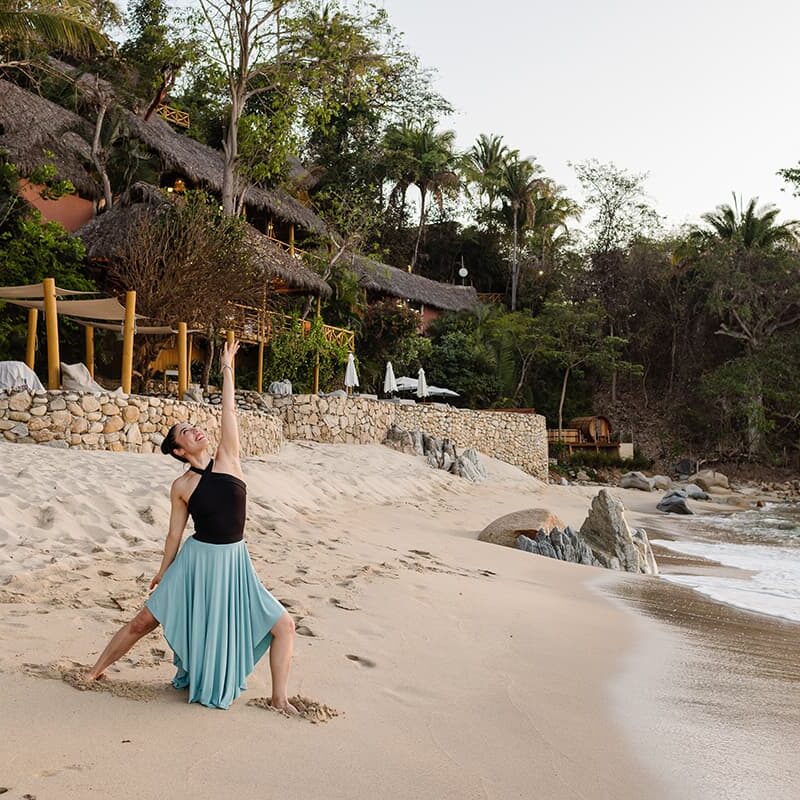
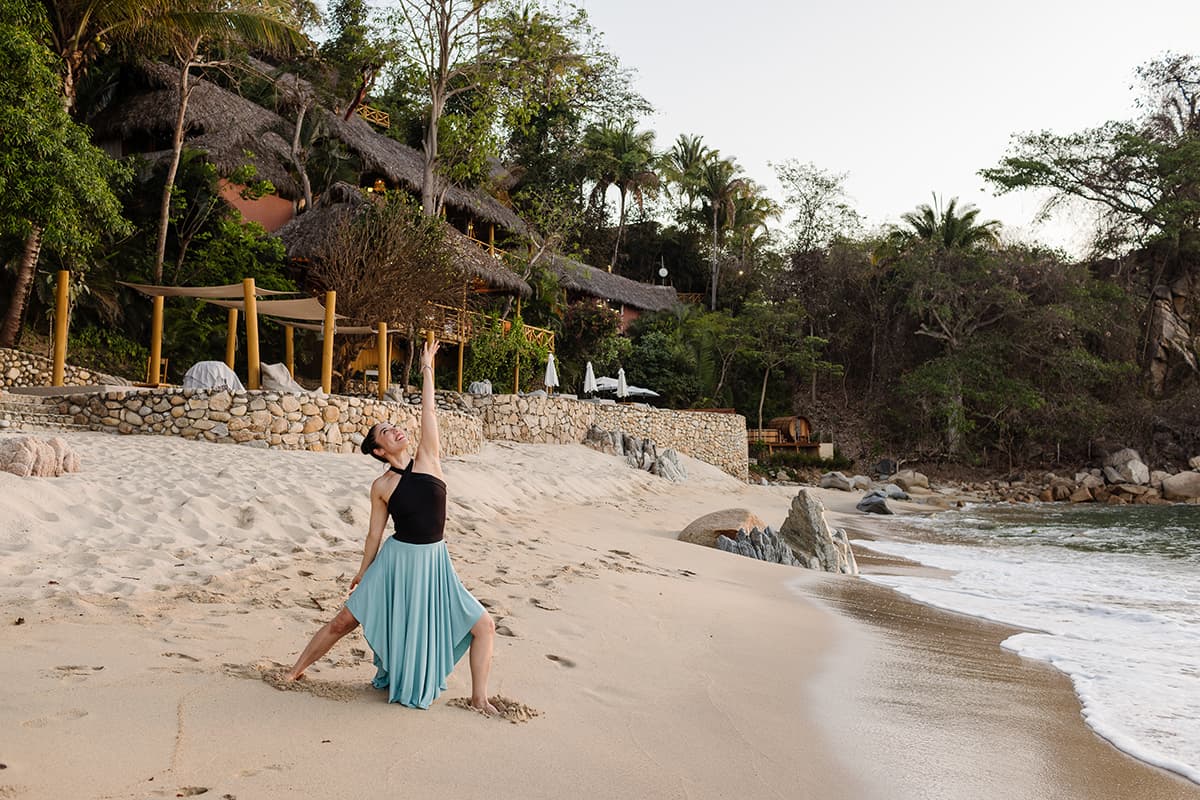
Featured image: Sophia Mallie's retreat. Full Body Mind Reset, next one happening on May 9th, 2026


In the wellness world, it’s easy to forget that the people holding space also need space. Yoga teachers, retreat leaders, coaches, therapists, healers. Your work lives at the intersection of presence, empathy, and emotional labor. And while it’s deeply meaningful, it can also be quietly depleting.

Burnout doesn’t always arrive dramatically. Sometimes it slips in softly, a lingering sense of “I should be able to handle more.”
But in truth, your well-being is the foundation of your craft.
Here are practices and perspectives that help wellness professionals stay grounded, inspired, and nourished.
Many wellness leaders view rest as optional, a luxury reserved for later. Yet rest is not a gap in productivity; it is a form of professional maintenance.
Whether you’re teaching daily classes, guiding emotional work, or holding energy for groups, your nervous system needs recovery time just as much as your students do. Rest ensures you show up sustainably, with clarity and authenticity.
Small moments make a difference: lying down for five breaths between sessions, eating without rushing, stepping outside for sunlight, moving slowly through transitions.
Rest is part of the job.
Empathy is a gift, but unfiltered empathy can be draining.
Wellness professionals often absorb their students’ emotions without noticing. Over time, this creates emotional fatigue that masquerades as burnout.
Simple grounding rituals help:
Holding space doesn’t mean carrying it home.
Many teachers spend more hours teaching than practicing. Eventually, the imbalance becomes palpable.
Your personal practice: movement, meditation, breathwork, stillness; reminds you why you teach. It reconnects you with the origin of your passion and keeps your work alive, not mechanical.
Protect it with the same devotion you encourage in your students.
Burnout thrives in isolation. Many wellness professionals work independently, shifting constantly between roles: instructor, marketer, administrator, listener, caretaker.
Sharing experiences with peers can be grounding and healing. Conversations with other teachers normalize the challenges of the industry and help you feel less alone.
Connection restores perspective.
Time in nature regulates the nervous system in ways that no productivity hack can. Fresh air, sunlight, ocean sounds, the simplicity of being surrounded by something bigger than your to-do list: these elements have an immediate impact on well-being.
This is one reason retreats, whether you lead them or attend them, can be transformative. At places like Xinalani, where jungle, ocean, and quiet spaces meet, wellness professionals often rediscover what spaciousness feels like.
Nature is a co-teacher. Let it support you.
Many wellness leaders are more comfortable offering care than receiving it. But allowing yourself to receive—rest, support, guidance, nourishment—is part of sustainable leadership.
Book a class just for you. Get a bodywork treatment. Allow someone else to hold space. Let your nervous system feel what your students feel under your guidance.
Receiving replenishes your ability to give.
Burnout prevention isn’t reactive: it’s intentional.
Build recovery into your calendar the same way you would schedule workshops, retreats, or private clients.
This might include:
When you plan for rest, you are planning for longevity.
Burnout doesn’t mean you’re weak. It means you’ve been giving deeply, often beautifully, without enough replenishment.
Your work has impact.
Your presence changes people.
And you are worth the same level of care you offer to others.
If you're feeling the need to step back, breathe deeper, and reconnect with yourself, Xinalani is a place where wellness professionals often come to restore their energy and remember why they do what they do.
Your well-being is not a side note. It's the heart of your practice.




 by: Xinalani Staff