
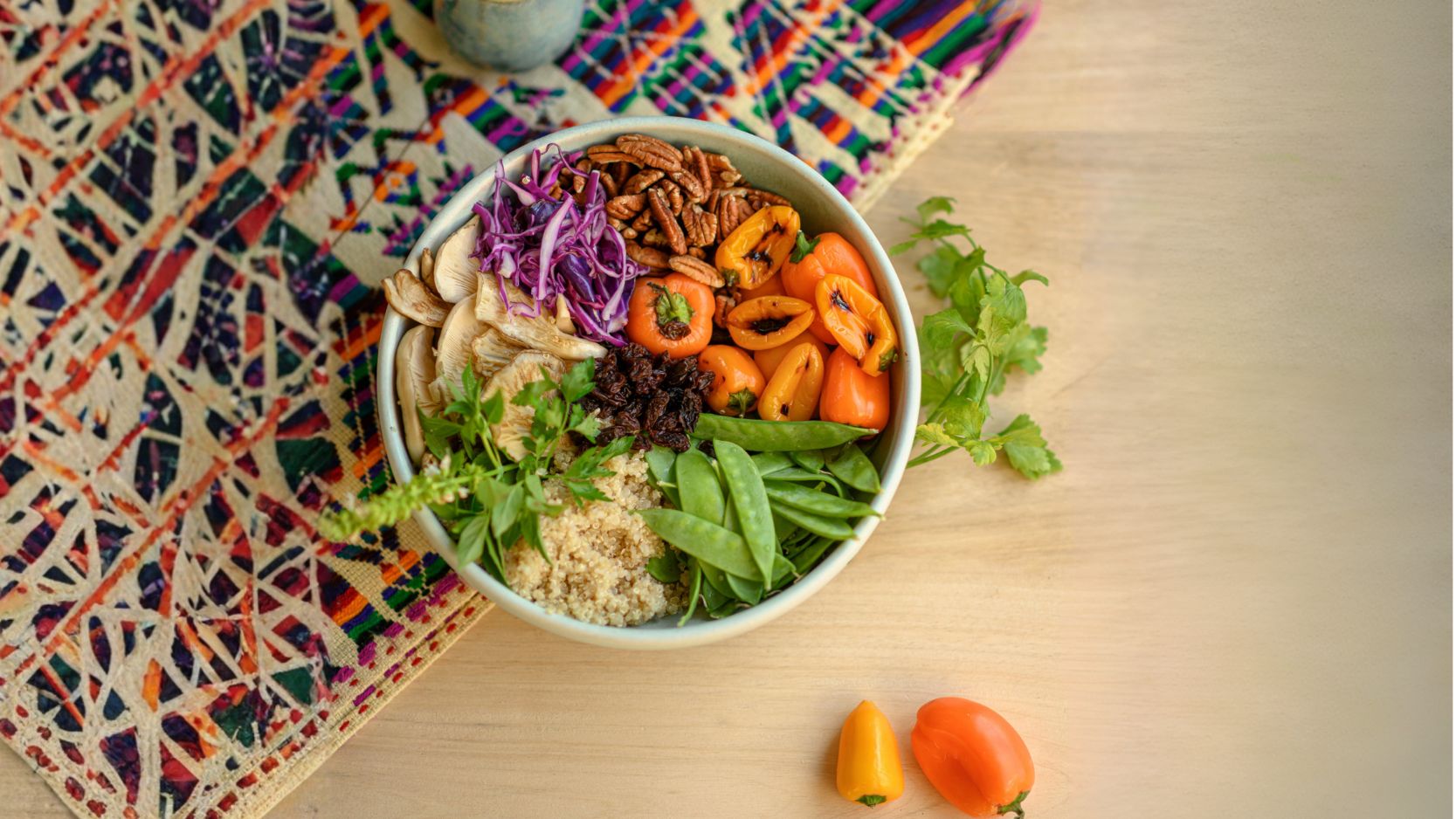
“Protein is having a moment—and for good reason.
- Women’s protein needs evolve with age. Maintaining muscle becomes increasingly important after 30—and especially around menopause—making adequate protein intake a key part of healthy aging.
- The “incomplete protein” myth is outdated. Eating a variety of plant proteins throughout the day provides all the essential amino acids your body needs, without having to combine specific foods at every meal.
- Protein timing matters. Distributing protein more evenly across breakfast, lunch, and dinner may support muscle maintenance more effectively than eating most of it at dinner.
- Plant proteins offer more than protein alone. Foods like legumes, whole grains, nuts, and seeds also provide fiber, antioxidants, vitamins, and minerals that support overall health.
- Small, consistent habits make the biggest difference. Building balanced, protein-rich meals throughout the day is a more sustainable approach than chasing perfection.
Scroll through any wellness feed and you’ll find protein shakes, protein-forward menus, protein “targets” tracked down to the gram. It can feel like a trend. But underneath the noise is something real: for women, getting enough protein becomes more important, not less, as we age.
That doesn’t mean every meal needs to revolve around meat. A thoughtfully built plant-forward diet can meet your protein needs while also delivering the fiber, antioxidants, and phytonutrients that animal-only diets often miss. And increasingly, nutrition researchers are pointing to something else worth paying attention to: not just how much protein you eat, but when you eat it.
Why Protein Needs Change As Women Age
Muscle loss is quiet. It doesn’t announce itself the way other changes do, which is part of why so many women are caught off guard by it. Starting around age 30, adults naturally lose up to 8% of their muscle mass per decade—a gradual process called sarcopenia that tends to accelerate without enough protein and resistance training to counter it.
For women specifically, this shift often intensifies around menopause. Declining estrogen appears to speed up muscle loss and change how the body handles fat and lean tissue, which is one reason researchers increasingly study protein intake as a tool for preserving strength through this transition, not just managing weight.
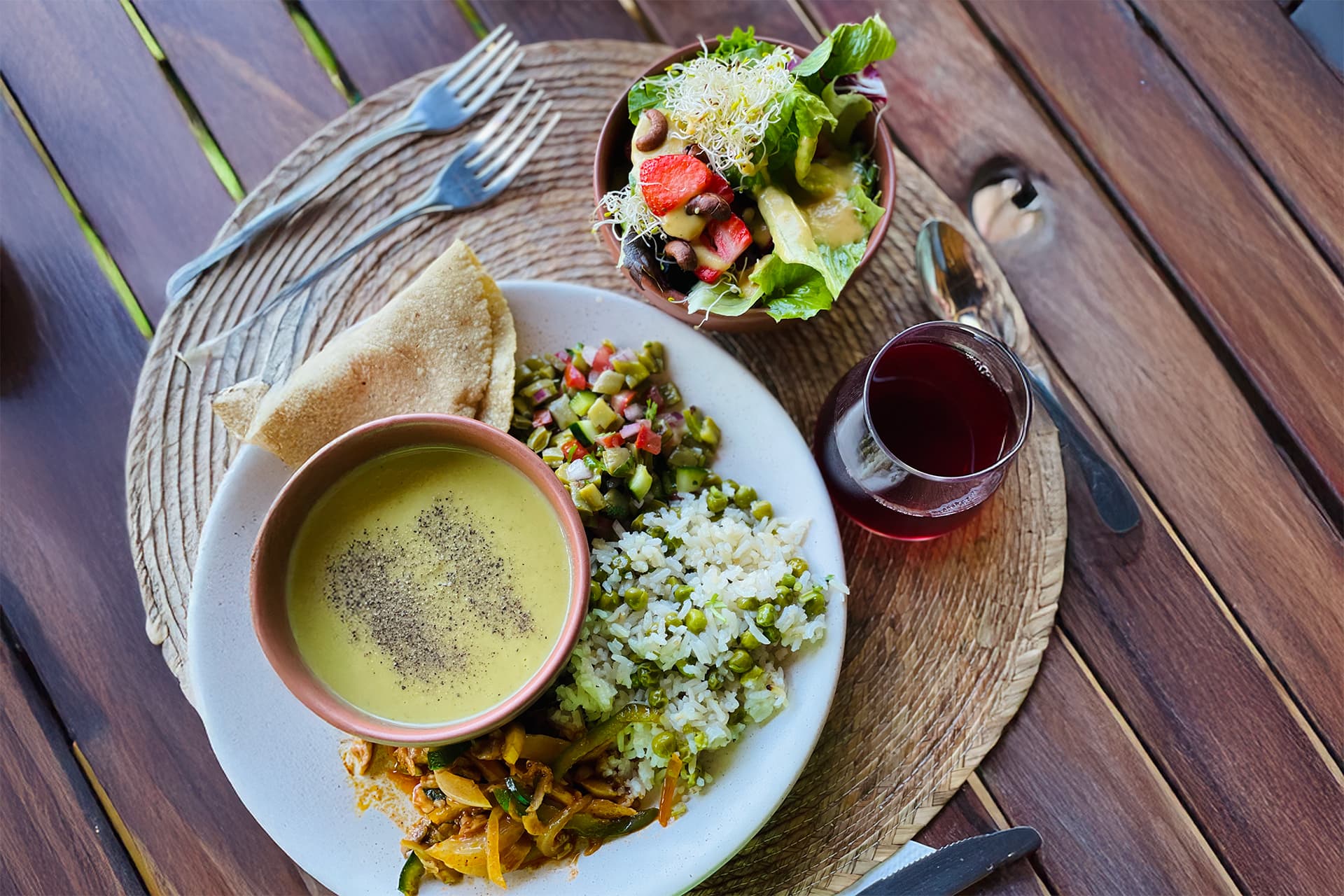
This is reflected in updated national guidance. The most recent U.S. Dietary Guidelines raised recommended protein intake to a range of 1.2 to 1.6 grams per kilogram of body weight per day—well above the older baseline of 0.8 grams per kilogram, which many nutrition experts now consider a floor for avoiding deficiency rather than a target for healthy aging. For a woman around 150 pounds, that newer range translates to roughly 75–100 grams of protein daily, depending on activity level and overall caloric needs.
The takeaway isn’t alarm—it’s information. Knowing your body’s needs shift over time is the first step to actually meeting them, plant-based or otherwise.
The “Incomplete Protein” Myth, Retired
If you’ve ever felt pressure to pair rice with beans at the exact same meal to “complete” your protein, you were following outdated guidance. This idea—known as protein combining—was built on early 20th-century research and has since been reassessed by the broader nutrition science community.
The body isn’t nearly that rigid. It maintains its own pool of free amino acids and continuously recycles protein from within, drawing on whatever you’ve eaten across the day rather than requiring perfect pairing at a single sitting. Even organizations that once cautioned against plant proteins as inadequate—including the American Heart Association—have since revised their position to confirm that plant proteins, eaten across a varied diet, provide the full range of essential amino acids the body needs.
“Eating a variety of plant proteins over the course of a day—lentils at lunch, tofu at dinner, oats with pumpkin seeds at breakfast—gives your body everything it needs to work with.
Timing Matters As Much As Total Grams
Here’s where the research gets genuinely useful, and where most people—regardless of diet style—fall short.
Muscle protein synthesis, the process your body uses to build and repair muscle tissue, isn’t just a function of your daily total. It responds to protein in a per-meal threshold, generally in the range of 25 to 30 grams of quality protein per sitting, with some research suggesting the effective range climbs closer to 30–40 grams for women over 40, whose muscles have become more resistant to smaller protein doses. Below that threshold, a meal simply doesn’t trigger the same anabolic response—even if your daily total looks fine on paper.
The common pattern researchers keep observing: a light, protein-poor breakfast, a moderate lunch, and a protein-heavy dinner. One controlled study illustrates why this matters. Researchers compared two groups eating the identical total daily protein—90 grams—but distributed differently. One group ate it unevenly, in a pattern common in the U.S. (roughly 10 grams at breakfast, 20 at lunch, 60 at dinner). The other group split it evenly, at 30 grams per meal. Despite identical totals, the evenly distributed group produced meaningfully more muscle protein synthesis over 24 hours.
The practical shift, then, isn’t necessarily eating more protein—it’s spreading what you already eat more intentionally across the day, with special attention to breakfast and lunch, which tend to be the most protein-light meals for most people.
The Plant-Based Bonus: Fiber and Antioxidants
Here’s what a protein-only lens on eating misses: plant proteins rarely show up alone. A cup of cooked lentils delivers protein alongside fiber, folate, and iron. A handful of pumpkin seeds brings protein with magnesium and healthy fats. This matters more than it might seem.
Most women fall well short of recommended fiber intake—guidelines generally call for 25 to 30 grams per day, yet average intake for many women sits closer to half that. Fiber does more than support digestion; research links it to a more balanced gut microbiome, which in turn affects inflammation, hormone regulation, and even mood, since much of the gut’s fiber fermentation produces short-chain fatty acids tied to reduced systemic inflammation.
A plate built around legumes, whole grains, vegetables, nuts, and seeds tends to close that fiber gap almost automatically—something a protein shake or an animal-protein-heavy plate simply can’t offer.
Building It Into a Real Day
Rebuilding After Burnout
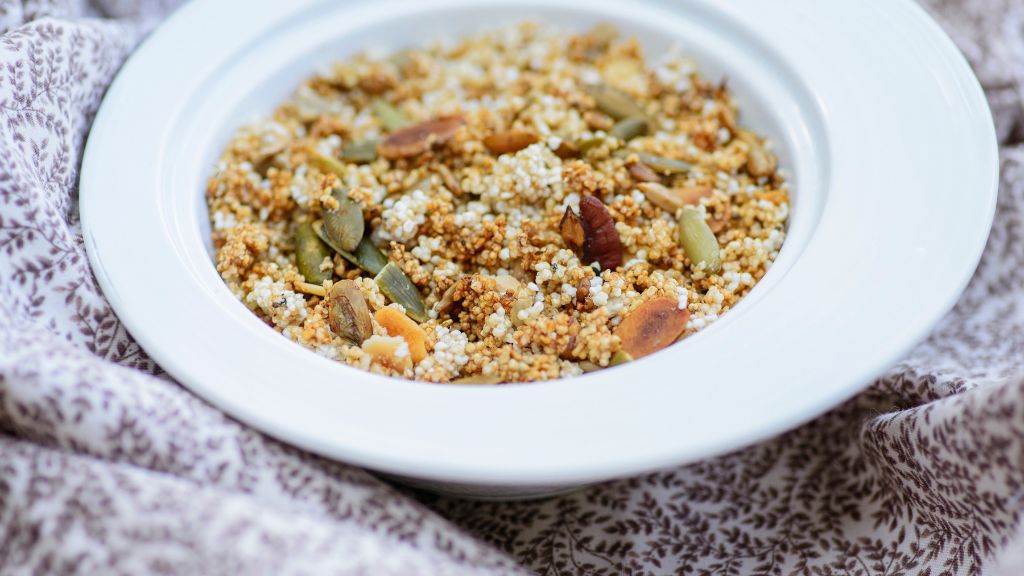
The goal isn’t a rigid meal plan—it’s consistency without complexity. A breakfast built around Greek-style yogurt alternatives, oats with hemp seeds, or our Xinalani Homemade Granola Recipe gets meaningful protein in early, when most people default to just carbohydrates. Lunch can lean on legumes—a lentil salad, a chickpea stew, or Vegan quesadillas with paparella and fresh mango salsa—paired with vegetables for volume and fiber. Dinner doesn’t need to carry the day’s entire protein load if breakfast and lunch have already done their part.
Building Something New
Protein at each meal becomes less about muscle and more about steady energy and focus—avoiding the crash that comes from carbohydrate-heavy, protein-light meals eaten on the run. Portable plant proteins—edamame, roasted chickpeas, or a quick Almond Veggie Dip with vegetable sticks—make it easier to hit that per-meal threshold even on unpredictable days. For a light, protein-forward dinner, a Mango Coconut Ceviche Recipe pairs well with a side of black beans or quinoa.
Neither approach requires perfection. It requires attention—noticing where protein is missing, and closing that gap with foods that are already doing double duty for fiber, minerals, and flavor.
Food as Part of the Journey
This is the philosophy behind every meal at Xinalani. Our kitchen doesn’t treat nutrition and pleasure as separate goals—each dish is built with fresh, seasonal, plant-forward ingredients that nourish the body while genuinely satisfying the senses. Whether you’re recovering from burnout or building something new, what’s on your plate can be part of that work, not a distraction from it.
Frequently asked questions
How much protein do women actually need each day?
Protein needs vary depending on age, activity level, and overall health. Current research suggests that many women—especially after age 30—may benefit from consuming more protein than older recommendations suggested.
Do I need to combine beans and rice at every meal?
No. Current nutrition research shows that your body uses amino acids from foods eaten throughout the day, so eating a variety of plant proteins is enough to provide all the essential amino acids.
Is plant protein enough to build and maintain muscle?
Yes. A well-planned plant-forward diet that includes foods like legumes, tofu, whole grains, nuts, seeds, and dairy (if included) can provide enough protein to support muscle health.
Does it matter when I eat protein?
Yes. Research suggests that spreading protein more evenly across your meals may support muscle protein synthesis more effectively than consuming most of it at dinner.
Why are plant proteins considered especially beneficial?
Besides protein, they naturally provide fiber, antioxidants, vitamins, minerals, and phytonutrients that support digestion, heart health, and overall wellbeing.