
Yoga can significantly improve intimacy—not only physically, but emotionally and energetically.
At Xinalani, intimacy is understood as part of overall wellbeing. When the body relaxes, the mind becomes present, and energy flows more freely, connection tends to deepen naturally.
How Does Yoga Improve Intimacy?
Yoga supports a more fulfilling intimate life by addressing multiple aspects of wellbeing:
- Improves blood circulation, particularly in the pelvic region
- Reduces stress and anxiety, two of the most common barriers to intimacy
- Enhances breath awareness, which increases presence and sensitivity
- Activates life-force energy, often associated with creativity and vitality
- Strengthens the mind-body connection
The result is often greater awareness, deeper connection, and a more grounded sense of presence.
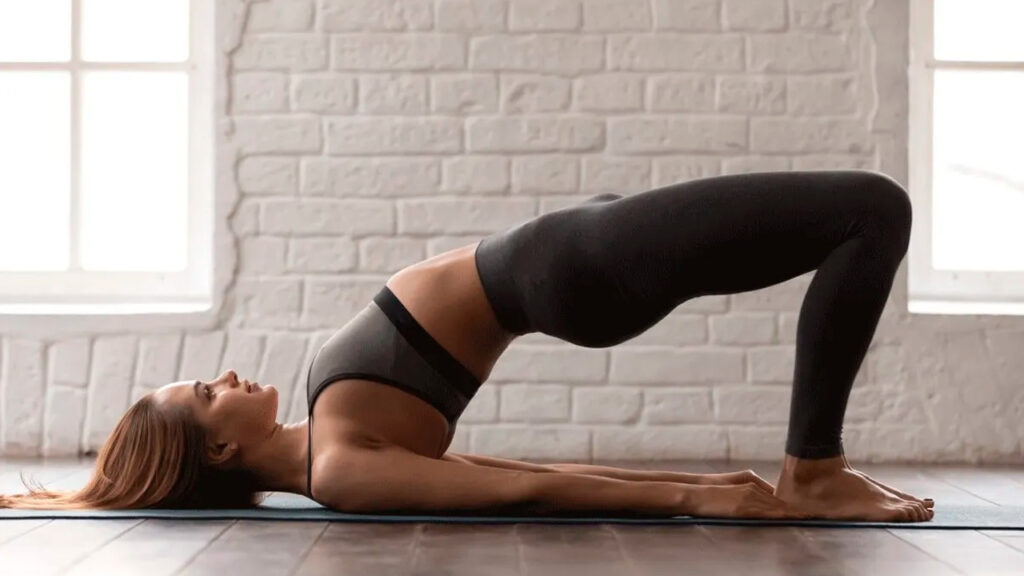
1. Bridge Pose (Setu Bandhasana)
Strengthens the pelvic floor and increases circulation in the lower body.
- Lie on your back with knees bent and feet flat on the floor.
- Lift your hips while pressing into your feet.
- Engage your glutes and core, holding for a few breaths.
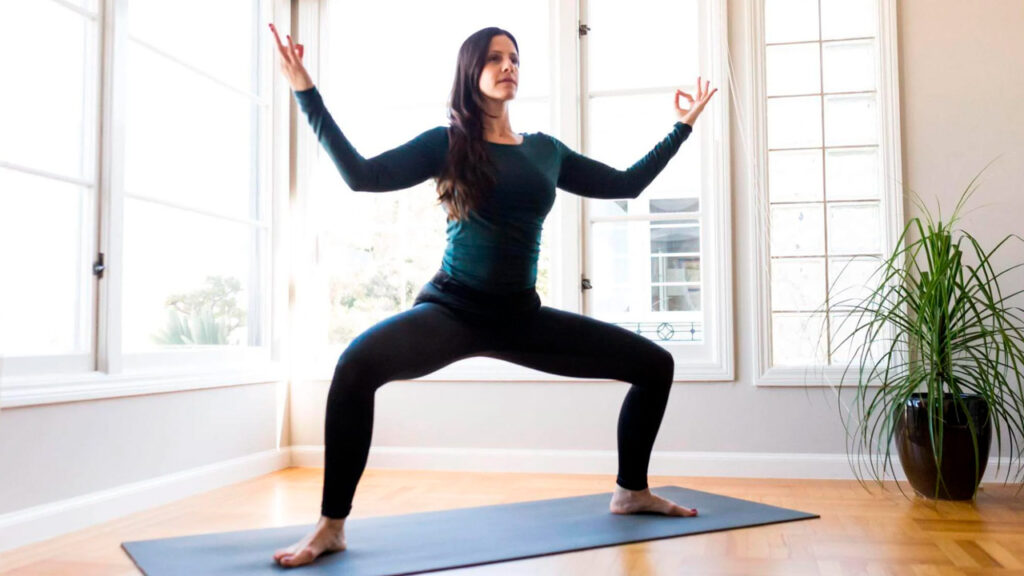
2. Goddess Pose (Utkata Konasana)
Opens the hips and activates energy in the pelvic region.
- Stand with feet wide apart and toes pointing outward.
- Lower into a squat, keeping knees in line with toes.
- Engage the core and hold.
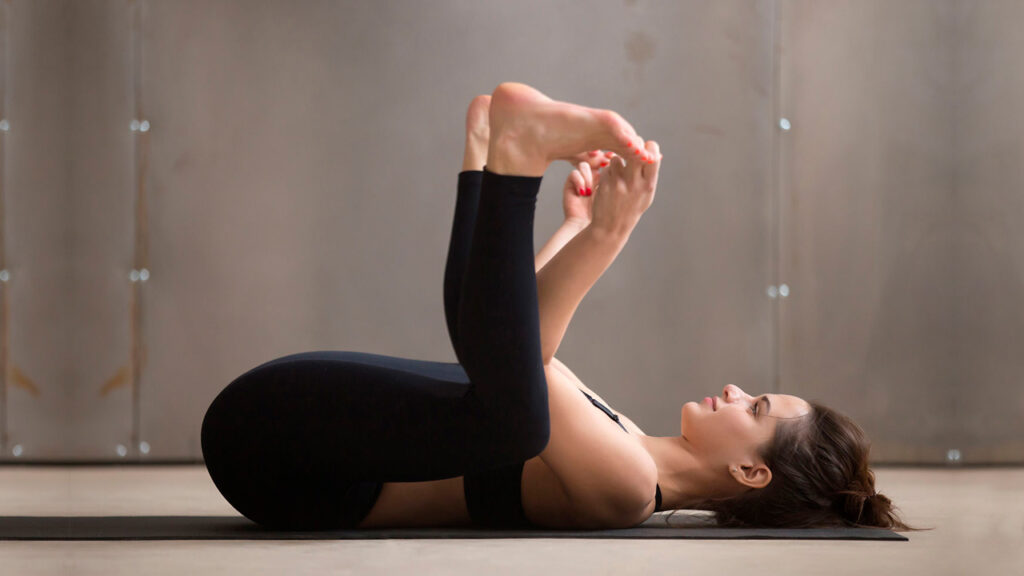
3. Happy Baby Pose (Ananda Balasana)
Releases tension in the hips and lower back while promoting relaxation.
- Hold the outsides of your feet and gently rock side to side.
- Lie on your back and bring your knees toward your chest.

4. Camel Pose (Ustrasana)
Opens the chest and encourages emotional openness.
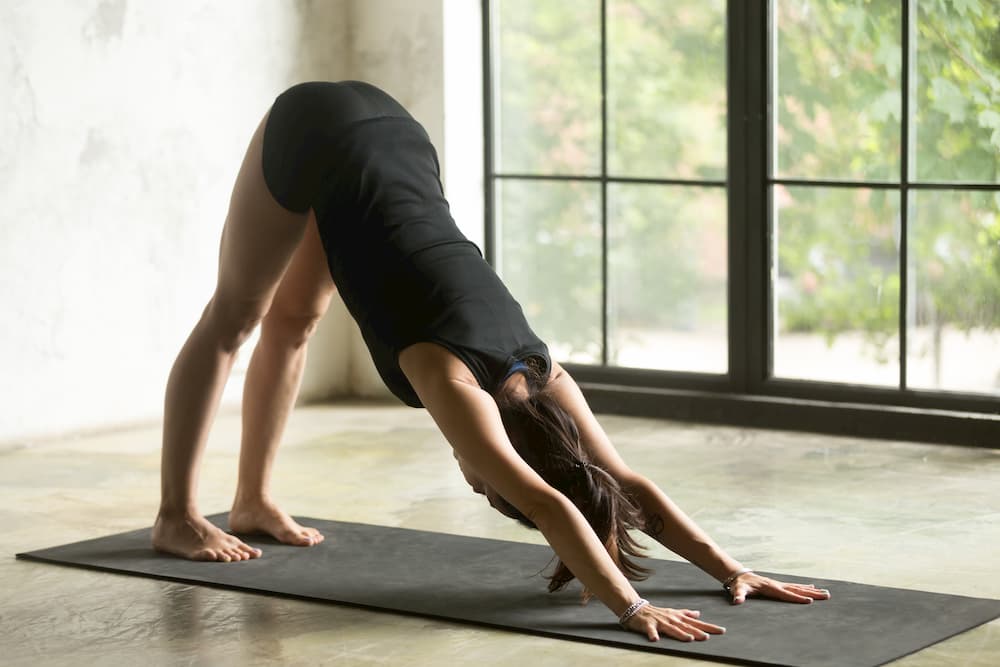
5. Downward Dog (Adho Mukha Svanasana)
Improves overall circulation and supports full-body energy flow.
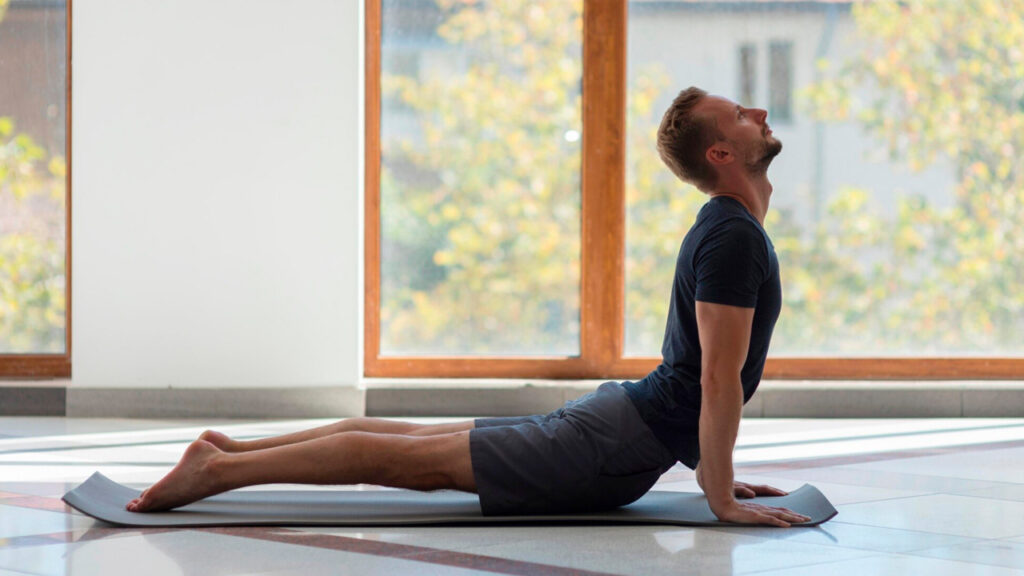
6. Cobra Pose (Bhujangasana)
Stimulates the spine and helps awaken physical energy.
- Lie on your stomach, hands under shoulders.
- Press into your palms to lift your chest, keeping elbows slightly bent.
- Hold and breathe deeply.
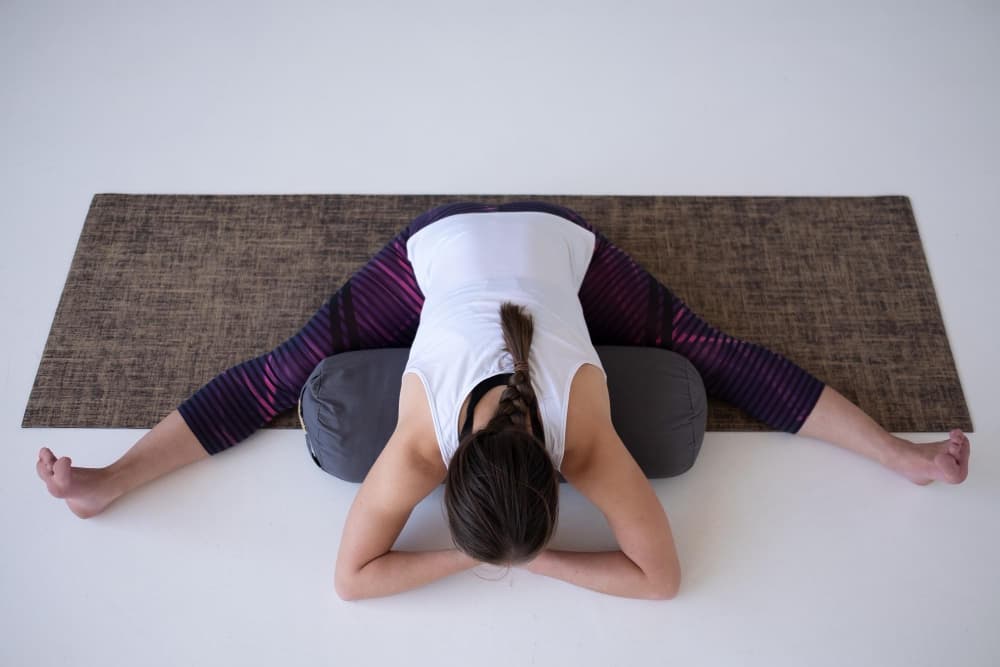
7. Seated Wide-Leg Forward Fold (Upavistha Konasana)
Enhances flexibility and promotes inward awareness.
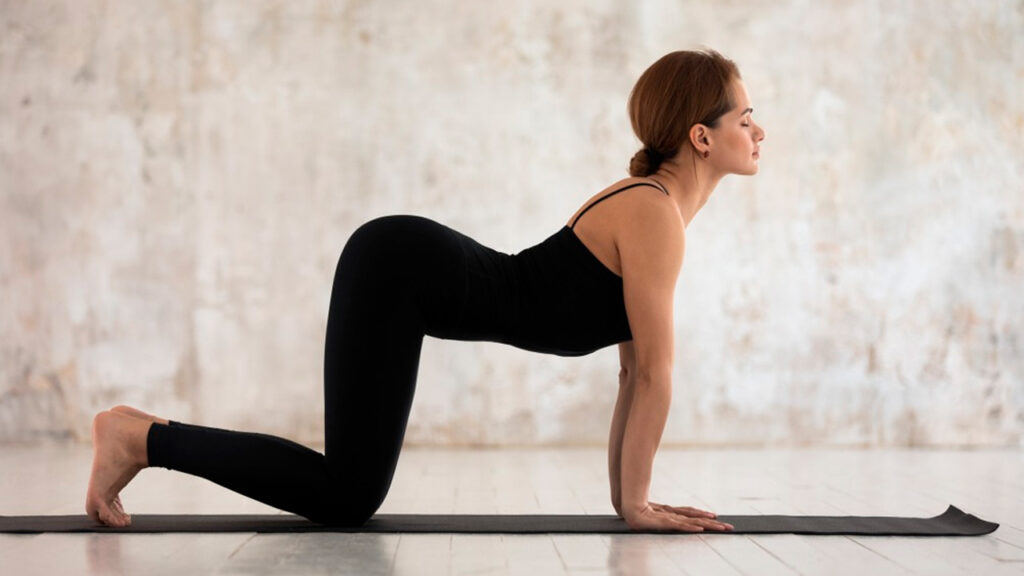
8. Cat-Cow Flow (Marjaryasana-Bitilasana)
Coordinates breath and movement, supporting rhythm and body awareness.
- Start on all fours, inhaling as you arch your back (Cow Pose).
- Exhale as you round your spine (Cat Pose).
- Flow between these movements to increase circulation and relaxation.
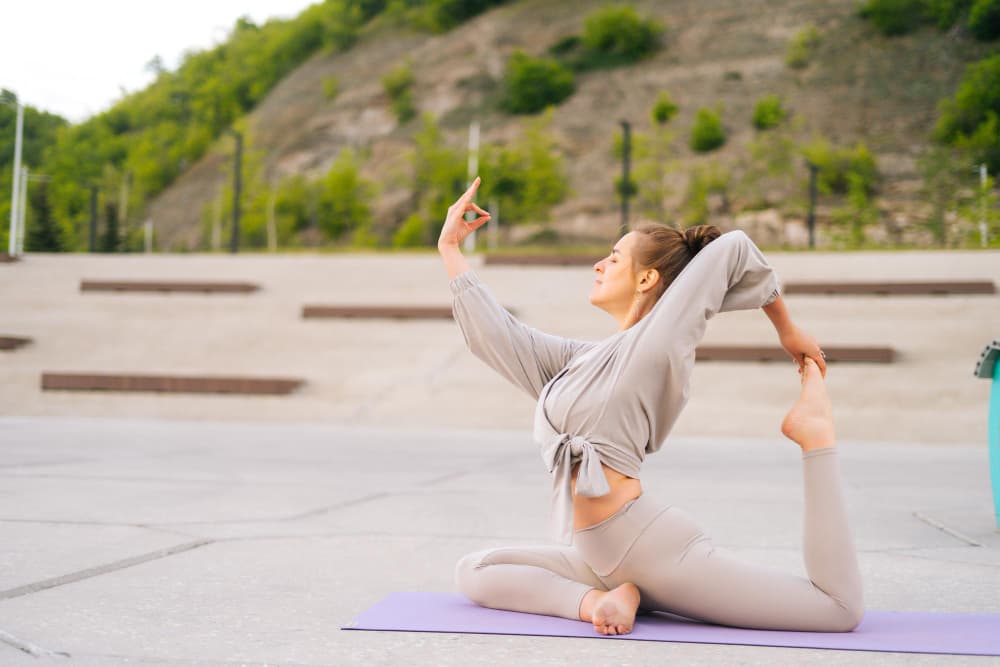
9. Pigeon Pose (Eka Pada Rajakapotasana)
A deeply restorative pose that calms the nervous system and fosters connection.
- Kneel and fold forward, stretching your arms in front of you.
- Rest your forehead on the mat and breathe deeply.
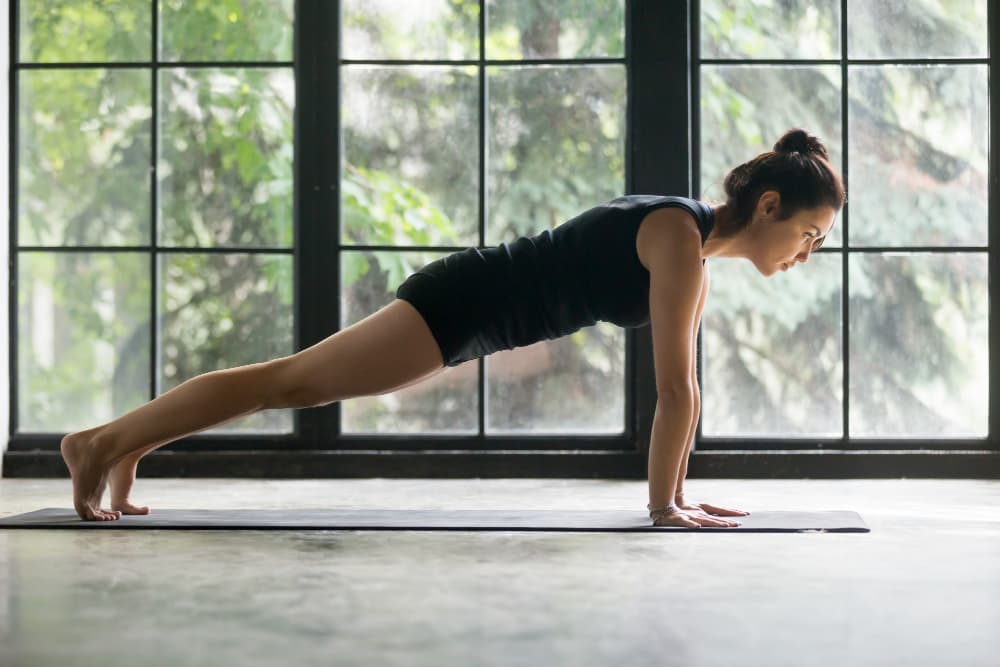
10. Plank Pose (Phalakasana)
Builds core strength and improves overall body control.
Tips to Enhance the Benefits
- Focus on slow, steady breathing
- Stay present in the body rather than focusing on outcomes
- Avoid rushing the practice
- Be consistent over time
Even short, regular sessions can create noticeable changes.
Beyond the Practice: The Xinalani Experience
While practicing yoga at home can be beneficial, immersion often leads to deeper results.
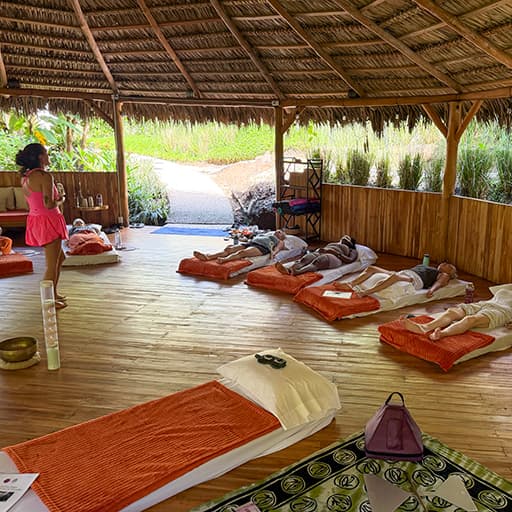
At Xinalani, yoga is experienced in a holistic environment that includes:
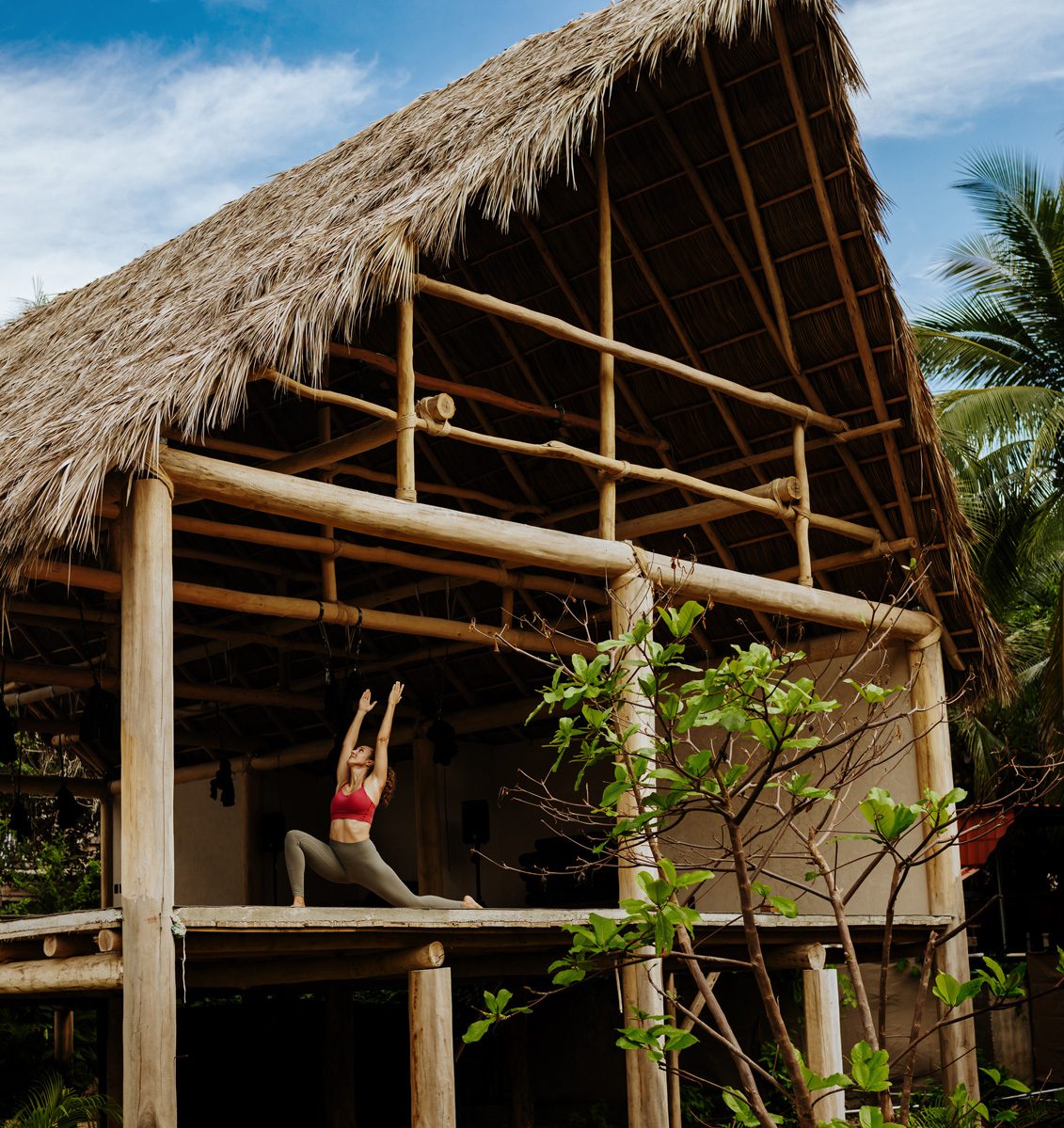
- Open-air yoga spaces overlooking the ocean
- A natural setting designed to reduce distractions
- Complementary practices such as temazcal, breathwork, and cacao ceremonies
- Opportunities to reconnect with yourself in a meaningful way
This type of setting allows the practice to extend beyond movement and into a broader sense of wellbeing.
Deepen Your Practice
For those looking to explore this connection further, immersive experiences can provide structure, guidance, and space for transformation.
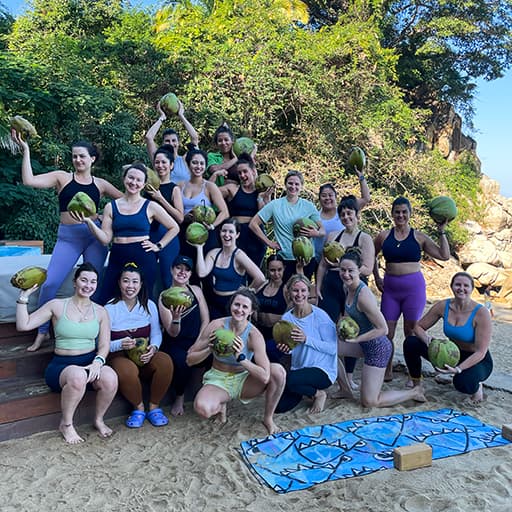
Explore Xinalani’s yoga retreats to experience a more complete approach to wellbeing.
Upcoming Retreats

Frequently Asked Questions
Can yoga really improve intimacy?
Yes. By improving circulation, reducing stress, and increasing body awareness, yoga can support a more connected and present experience.
How often should I practice?
Practicing two to three times per week is enough to begin noticing changes.
Is this suitable for beginners?
Yes. All of these postures can be modified to suit different levels of experience.