- The global yoga market is set to more than double, from $127B in 2025 to $269B by 2033, signaling a profound shift in how the world values wellbeing.
- Technology will personalize practice through AI and biometrics, but will not replace the irreplaceable energy of a skilled, present teacher.
- The “future yogi” isn’t choosing between strength and mindfulness — they’re seeking both, through functional movement and resilient-body training.
- Yoga is becoming a lifelong longevity tool, not a fitness trend — supporting healthy aging far beyond flexibility.
- Mental health is now a primary reason people practice yoga, shifting the teacher’s role toward holistic facilitation.
- In a hyper-connected world, in-person retreats are becoming more valuable than ever — presence is the new luxury.
Yoga has endured for thousands of years because it has never stopped evolving. What began as an ancient spiritual practice has become one of the most influential forces in modern wellness — shaping how people move, breathe, travel, heal, and reconnect with themselves.
Today, that evolution is accelerating.
Projected global yoga market by 2033.
Up from $127B in 2025 — according to Grand View Research. This growth signals a deeper global shift toward experiences that support mental health, longevity, and meaningful human connection.
For practitioners, this means yoga is becoming more personalized, accessible, and integrated into everyday wellbeing. For teachers, retreat leaders, and wellness businesses, it means a growing opportunity to design experiences that go beyond physical practice — and respond to what people are truly seeking: transformation, balance, belonging, and renewal.
-
01
Technology Will Make Practice More Personalized
The yoga studio is no longer the only place to practice. Artificial intelligence, wearable technology, smart mats, and virtual platforms are making yoga more accessible and personalized than ever before.
Imagine receiving real-time feedback on your alignment, tracking your recovery through biometric data, or accessing a personalized sequence adapted to your sleep quality and stress levels — all before you roll out your mat.
“Technology can optimize the practice. But yoga has always been about something deeper than movement — and that remains difficult to replicate through a screen.”
The future will most likely be hybrid: digital tools layered beneath real-world, human experiences. Apps enhance; teachers transform. Both have a role — and both will grow.
-
02
Strength Is Becoming a Bigger Part of Yoga
One of the biggest misconceptions about modern yoga is that practitioners are moving away from physical challenge. In reality, many are seeking more of it.
As conversations around longevity and muscle preservation become mainstream, practitioners are increasingly looking for practices that build functional strength alongside flexibility. We’re seeing the rise of:
- Yoga Sculpt
- Mobility-focused flows
- Strength-training hybrids
- Resistance-based classes
- Functional movement training
The future yogi isn’t choosing between strength and mindfulness — they’re seeking both. Yoga is becoming a tool for building resilient bodies that support an active life for decades to come.
-
03
Yoga Is Becoming a Tool for Healthy Aging and Longevity
One of the fastest-growing priorities in wellness is not simply living longer — but living better for longer. As people become more proactive about long-term health, they seek practices that support physical vitality, mental clarity, and overall wellbeing throughout every stage of life.
Yoga is uniquely positioned to meet this need. Its benefits extend far beyond strength and flexibility to support balance, mobility, breath capacity, stress management, and nervous system regulation — all essential components of healthy aging.
By 2030, yoga will increasingly be viewed not as a fitness trend, but as a sustainable, lifelong practice that helps people maintain health, resilience, and quality of life well into their later years.
-
04
Mental Health Is Becoming the Heart of Modern Yoga
As awareness around mental health grows, yoga is evolving beyond physical movement. According to Yoga Alliance’s global Yoga in the World study, stress management and mental health are now among the primary reasons people turn to practice.
As anxiety, burnout, and chronic stress continue to rise worldwide, teachers are expanding their offerings beyond postures to include:
- Somatic practices
- Breathwork
- Meditation
- Nervous system regulation
- Mindfulness-based stress reduction
The role of the yoga teacher is evolving too. Increasingly, instructors are becoming facilitators of holistic wellbeing — creating spaces where students can feel safe, supported, and connected to themselves and their communities.
The most impactful yoga experiences ahead may not be defined by how advanced the poses are, but by how effectively they help people find calm, connection, and lasting balance.
-
05
Retreats and Wellness Travel Are More Valuable Than Ever
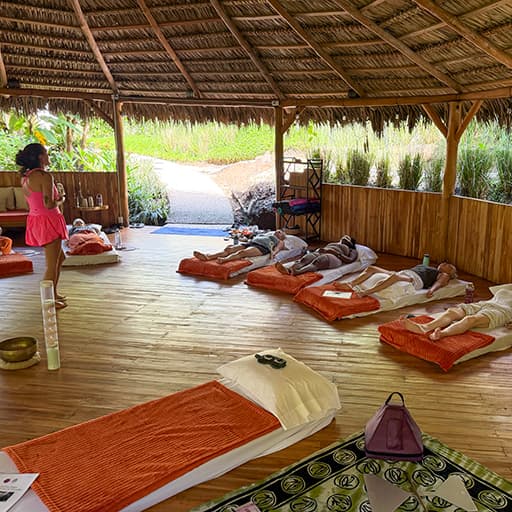
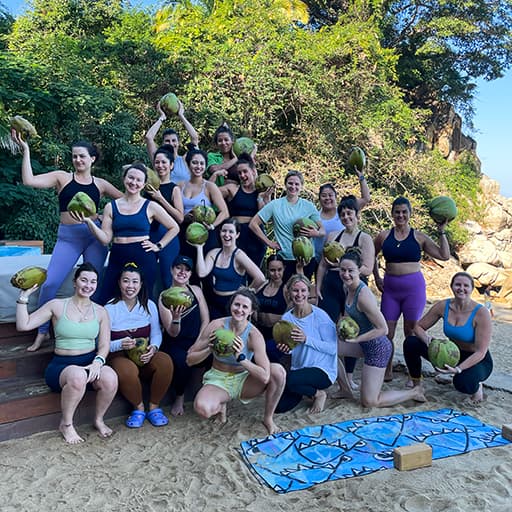
As technology makes yoga more accessible, perhaps the most unexpected trend is the growing importance of in-person connection. Despite living in a hyper-connected world, many people feel deeply isolated — seeking opportunities to disconnect from screens and reconnect with themselves, with others, and with nature.
As a result, yoga retreats, wellness festivals, and community experiences are becoming more valuable, not less. People are seeking experiences that simply can’t be streamed:
- Meaningful conversation
- Nature immersion
- Digital detox
- Sound healing
- Cacao ceremonies
- Shared transformation
“In a world filled with screens, presence becomes a luxury — and the most sought-after experience of all.”
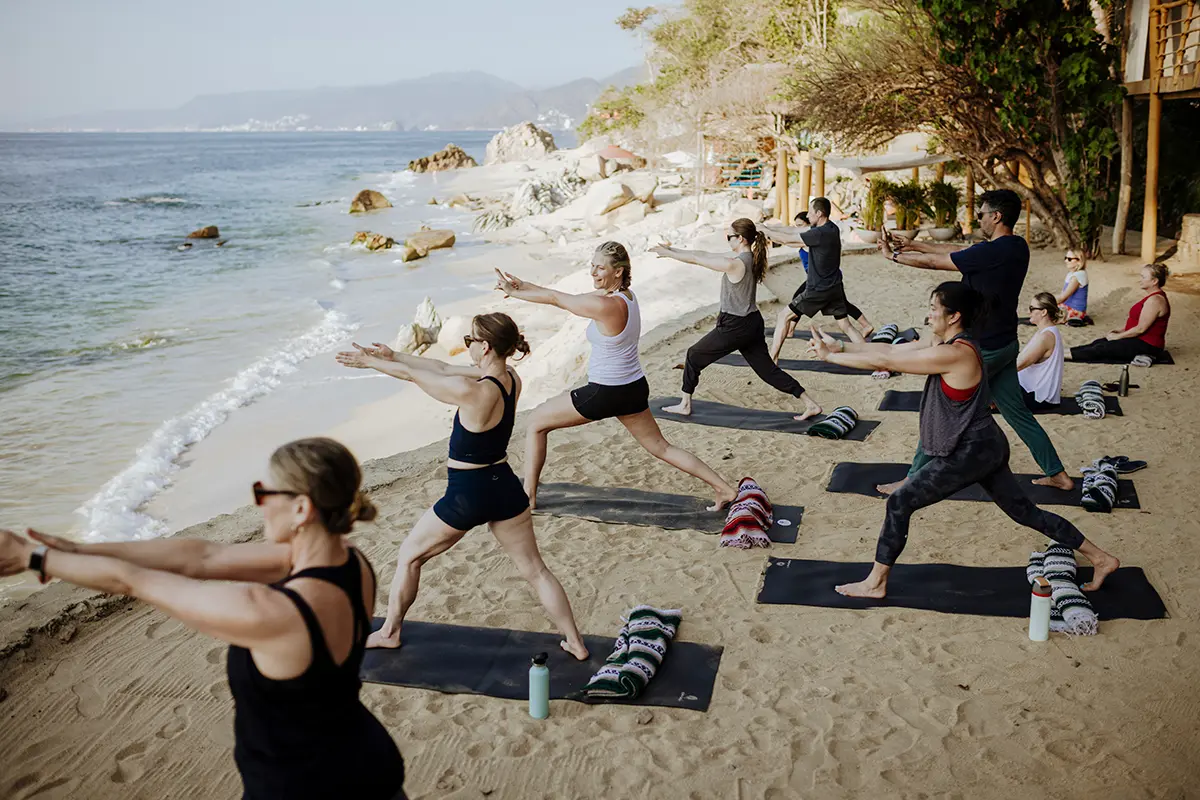
Modern retreats are evolving beyond yoga classes to offer multi-dimensional experiences: ice baths, breathwork, cultural immersion, ocean connection, and conscious community. The destination matters. The container matters. The collective experience matters.
Looking Toward 2030
The future of yoga isn’t about choosing between tradition and innovation — it’s about bringing them together in meaningful ways. Technology may make practice more personalized. Advances in wellness science may help people move, recover, and age more effectively. Greater awareness of mental health will continue to reshape how teachers create inclusive, supportive spaces. And as wellness travel grows, retreats will play an increasingly irreplaceable role in helping people genuinely slow down.
The tools and trends will change. The essence of yoga remains the same.
In a future shaped by constant connectivity and relentless noise, yoga offers something people are seeking more than ever: presence. Whether practiced on a mat at home, through an app, or on a retreat overlooking the ocean — yoga continues to offer a pathway to greater balance, wellbeing, and connection.
By 2030, the most successful yoga experiences won’t simply help people move better. They’ll help people live better.
Upcoming Retreats